

How Bacteria Outsmart Azithromycin: Resistance Mechanisms
In clinics and labs, microbes evolve fast, turning Rx treatments ineffective. Mutations modify ribosomal sites or methylate rRNA, blocking macrolide binding.
Efflux pumps expel drugs and enzymes chemically inactivate molecules. Mobile plasmids spread resistance genes rapidly, especially after Z-Pack use.
Recognizing mechanisms guides diagnostics and therapy choices; stewardship limits selection while novel agents target or evade these defenses.
| Resistance mechanism | Effect |
|---|---|
| Target modification | Prevents macrolide binding to ribosome |
| Efflux pumps | Reduces intracellular drug |
| Enzymatic inactivation | Destroys antibiotic structure |
| Horizontal transfer | Spreads resistance genes rapidly |
| Reduced permeability | Limits drug entry |
Drivers Behind Rising Azithromycin Resistance Worldwide
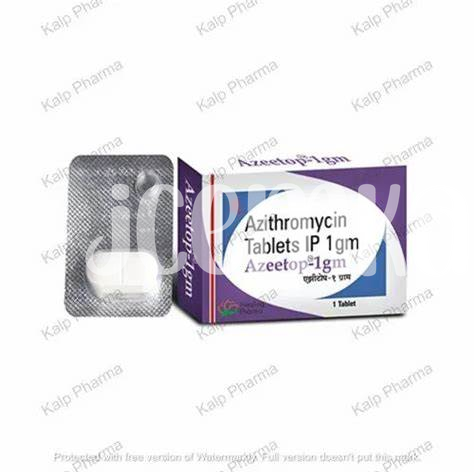
Widespread misuse of azithromycin—overprescription, self-medication, and incomplete courses—fuels resistance. Easy access to Z-Pack treatments and informal Rx sharing magnify selection pressure. Substandard generics, agricultural antibiotic use, and inappropriate combination therapies accelerate resistant strains, turning simple infections into stubborn problems in clinics and communities.
Global travel spreads resistant clones rapidly, while weak surveillance and limited diagnostics leave hotspots unnoticed. Strengthening stewardship, rapid testing, equitable vaccine access, and investment in new drugs can curb trends. Policy reforms, clinician education, and community engagement are urgent to preserve azithromycin efficacy for future patients globally.
Clinical Consequences: Treatment Failures and Complications
Clinicians describe patients returning with persistent fever and coughing after an apparent cure, the scent of disappointment palpable in the ward. Failures often trace back to azithromycin ineffectiveness now.
Failure can often force shifts from oral outpatient care to IV therapy, lengthening hospital stays and unexpectedly complicating regimens. Patients face higher costs and adverse interactions after Rx changes.
Public health impact grows as common infections become harder to control; outbreaks spread, empirical therapies fail, and clinicians lose confidence in standard Z-Pack protocols, prompting broader diagnostic workups now.
Complications include chronic sequelae, invasive disease, and increased mortality in vulnerable groups. Addressing resistance reduces unnecessary Script changes and preserves azithromycin utility for future patients globally, and urgently.
Surveillance Snapshot: Tracking Resistance Trends and Hotspots
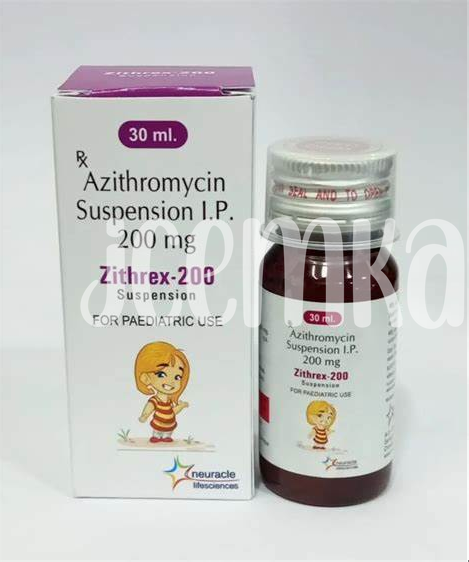
Global surveillance stitches together hospital labs, community clinics and genomic centers to reveal where azithromycin effectiveness is fraying. Sentinel sites, rapid susceptibility testing and wastewater sequencing form a mosaic; in clinics, misuse of Z-Pack for viral coughs shows up in consumption records handled by the Pharm Tech and pharmacy systems.
Longitudinal datasets expose rising pockets of resistance: urban centers with high prescribing, regions with limited diagnostics, and travel-linked transmission corridors. Combining clinical isolates with sequence-based typing highlights both clonal spread and horizontal gene transfer, guiding targeted interventions.
Timely dashboards and interoperable reporting turn signals into action—informing formulary choices, stewardship priorities and resource allocation. Strengthening lab capacity, real-time analytics and cross-border data sharing can pinpoint hotspots sooner, preserve treatment options and steer public health responses. Policy briefs, workforce training, sustainable funding and community engagement amplify detection, response and prevention, globally prioritized.
Diagnostic Challenges: Detecting Resistance Quickly and Accurately
Laboratories race against time to spot azithromycin resistance before treatments fail.
Phenotypic tests are slow; molecular assays are faster but require constant updates for new mutations and funding.
Point-of-care tools promise quick results but often lack sensitivity; clinical teams need Stat prioritization and clear Rx verification pathways.
Investment in rapid diagnostics, training, and data-sharing shortens delays.
| Test | Turnaround |
| Culture | 48-72h |
| Molecular | 2-3h |
Solutions Toolbox: Stewardship, Alternatives, and Drug Development
Every success story starts with smarter choices: strict stewardship programs, clinician education, and clear Rx signals to stop unnecessary use. Curtailing reflex Z-Pack prescribing and using narrow-spectrum alternatives when appropriate reduce selective pressure, while patient counseling boosts adherence and limits incomplete courses that breed resistance.
Investing in novel macrolide alternatives and accelerated drug development pipelines is essential, but so is scaling rapid molecular diagnostics to detect resistance Stat and guide therapy immediately. Public health surveillance, formulary stewardship by payers and local hospitals, and incentives for antibiotic R&D align to create a toolbox that supports clinicians, protects effective medications, and restores long-term treatment options. Community engagement, vaccination, and stronger infection control reduce demand for antibiotics worldwide.