

How Bactrim Works Against Urinary Pathogens
In clinic stories, a simple prescription can feel like a map back to health. The combination antibiotic blocks two steps in bacterial folate synthesis, creating a sequential blockade that limits DNA and protein production. This dual action is synergistic, increasing bacterial kill compared with either drug alone.
In urinary tract infections the drug attains high urinary concentrations, concentrating its effect at the site of infection. Common culprits like E. coli are often susceptible, so clinical improvement can be rapid when organisms are sensitive. Still, resistance mechanisms, such as target modification and enzymatic bypass, can reduce effectiveness.
Prescribers weigh benefits against local resistance patterns and patient factors; expectations are framed around likely susceptibility and potential side effects. Patients should recieve counseling about adherence and warning signs, as prompt follow-up helps identify treatment failure or complications.
| Mechanism | Effect |
|---|---|
| Folate blockade | Urinary concentration |
Clinical Evidence: Efficacy in Typical Utis
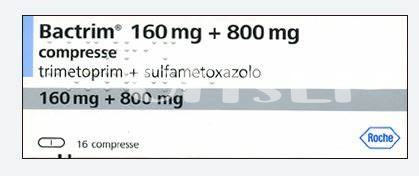
Clinical trials and observational studies show that bactrim achieves high cure rates for uncomplicated urinary tract infections when pathogens remain susceptible. Teh evidence from randomized comparisons demonstrates non inferiority to many agents, and short course regimens often yield rapid symptom relief. Physicians still weigh local susceptibility patterns because relapse or treatment failure can occur when resistance is prevalent.
Meta analyses report pooled cure rates above 80% in settings with low resistance, and patients recieve prompt improvement in dysuria and frequency. For uncomplicated cystitis in nonpregnant women, guidelines commonly list trimethoprim sulfamethoxazole as a first line option where resistance is under threshold levels. Shared decision making considers allergy, prior exposure, and community resistance trends and outcomes.
When to Choose Bactrim over Other Options
Clinicians weigh patient history, allergy status, and local resistance patterns when deciding therapy. For uncomplicated UTIs in nonpregnant adults with low sulfa allergy risk, bactrim remains a practical, first-line choice supported by decades of data.
If a patient has sulfonamide allergy or is pregnant, alternative agents are preferred; renal impairment and concurrent warfarin or methotrexate use Occassionally steer clinicians away from bactrim due to dosing and interaction concerns and monitoring.
Local antibiogram data matter: when E. coli resistance to trimethoprim-sulfamethoxazole exceeds 20%, many guidelines favour nitrofurantoin or a fluoroquinolone for complicated cases, balancing efficacy against collateral ecological impact and patient preference often plays a role.
When chosen, prescribe the shortest effective course, counsel on adverse effects, and use test-of-cure selectively. Stewardship, follow-up urine cultures in recurrent infections, and empathetic communication improve outcomes and safety while minimizing unnecessary antibiotic exposure broadly.
Antimicrobial Resistance Trends Impacting Bactrim Use

Clinicians watch local susceptibility maps like weather forecasts, noting rising resistance that reshapes empirical choices for common urinary infections and guide empiric prescribing.
Historical efficacy of bactrim has eroded in areas with high E. coli resistance, prompting shifts to alternative agents and stewardship efforts in outpatient and inpatient settings.
Surveillance programs and rapid diagnostics Occassionally reveal local patterns that let prescribers choose narrow-spectrum therapy, reducing collateral damage across communities nationwide.
Patient education on adherence, urine culturing when indicated, and coordinated stewardship are neccessary to conserve effective options for future patients.
Safety Profile: Side Effects and Serious Risks
Patients often weigh the rapid relief bactrim can provide against potential harms; anecdotes of mild rashes are common, but clinicians stress assessing allergies and baseline labs before therapy to lower avoidable complications and monitor closely.
Common adverse effects include nausea, anorexia, and Noticable gastrointestinal upset; less frequently hematologic changes like neutropenia or hyperkalemia occur. Rarely, life-threatening reactions such as Stevens‑Johnson syndrome demand immediate cessation and urgent care and specialist evaluation.
Serious risks include acute kidney injury and marked hyperkalemia, particularly with ACE inhibitors or potassium‑sparing diuretics. Drug interactions (eg, warfarin) can amplify bleeding risk: baseline renal function and electrolytes should be checked periodically during treatment.
| Event | Frequency | Action |
|---|---|---|
| Rash | Common | Stop if severe |
| Hematologic | Uncommon | Monitor CBC weekly |
| Hyperkalemia | Rare | Check potassium levels |
| SJS | Very | Rare Emergency care |
| Interactions | Variable | Review concurrent meds |
| Pregnancy | Contraindicated | Use alternatives |
| Monitoring | Recommended | CBC |
Special Populations: Pregnancy, Elderly, and Children
In pregnancy Bactrim crosses the placenta and can interfere with folate metabolism, so clinicians weigh maternal benefit against fetal risk. First trimester exposure has been associated with possible neural tube effects in some studies, and late pregnancy use risks neonatal jaundice and kernicterus. When alternatives are effective, many providers avoid it during pregnancy and advise folate supplementation if it is needed; shared decision making is essential.
Elderly patients require dose adjustment for reduced renal function and careful review of interacting drugs: Bactrim can raise potassium, increase creatinine, and cause hypersensitivity. Monitor renal function and electrolytes and avoid in those with severe kidney impairment. In children dosing is weight based; it is contraindicated in neonates under two months because sulphamethoxazole displaces bilirubin. Serious reactions are rare but occassionally life threatening, so parents need clear guidance and prompt follow up. NCBI FDA