


Understanding Allergic Reactions: Signs, Symptoms, and Triggers
A sudden itch or swelling on a sunlit afternoon can feel alarming; allergy often arrives like an unwelcome story twist, signaling the immune system’s overreaction.
Common signs include hives, itching, nasal congestion, coughing, nausea, vomiting, dizziness and swelling of lips or face; severe cases cause difficulty breathing and anaphylaxis, which needs immediate treatment.
Triggers range from foods, insect stings and latex to medications and environmental allergens; knowing personal triggers, reading labels, and consulting clinicians helps prevent reactions and ensures prompt response. Carry antihistamines and an epinephrine auto-injector if regularly prescribed.
| Sign | Typical onset |
|---|---|
| Hives | Minutes–Hours |
How Cephalexin Works and Common Uses
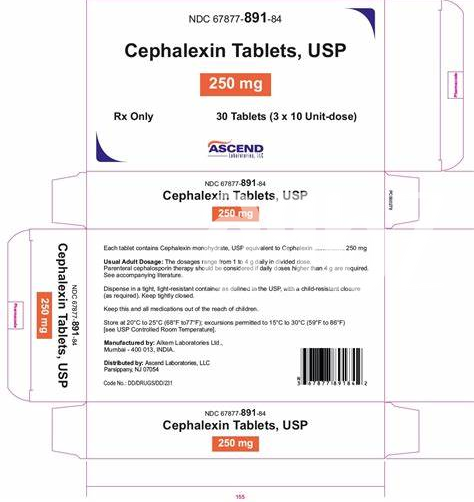
A familiar antibiotic, cephalexin interrupts bacterial cell wall construction, causing microbes to rupture. It targets rapidly dividing bacteria rather than human cells.
Doctors prescribe it for skin infections, throat infections, and uncomplicated urinary tract infections. Treatment usually spans five to fourteen days depending on infection.
Its oral form makes outpatient treatment simple, and dosing varies by age and severity. Side effects are often mild but should be monitored.
Patients benefit from predictable effects, but clinicians weigh history, allergies, and local resistance patterns before choosing therapy. Discuss concerns with your clinician.
Risks of Cephalexin: Allergy, Side Effects, Interactions
In a clinic I once saw a patient develop a sudden hive-covered rash and tightness in the throat after a dose of cephalexin; such dramatic allergic reactions, though uncommon, demand immediate attention. More often sensitivity shows as itching, localized swelling, or delayed skin eruptions. Those with prior penicillin allergies should discuss cross-reactivity risk with clinicians, since a small percentage may react to related beta-lactams despite most tolerating cephalosporins without issues.
Beyond allergy, cephalexin can cause gastrointestinal upset, including nausea, diarrhea, and rarely antibiotic-associated colitis or yeast overgrowth. Less common issues include blood count changes, renal or hepatic enzyme abnormalities, and neurologic symptoms at high doses or with renal impairment. Drug interactions are limited but matter: probenecid raises cephalexin levels, and anticoagulants may increase bleeding risk. Report new symptoms, adjust doses for kidney disease, and seek urgent care for breathing difficulty.
Distinguishing True Allergy from Adverse Reactions

Imagine a rash after taking cephalexin: fear is natural, yet timing and symptoms reveal clues. Immediate hives or breathing trouble suggest immune causes, while delayed nausea often signals side effects.
Medical history and prior exposures matter. Labs, skin testing, and allergy specialist consultation distinguish antibody reactions from predictable drug intolerance. Avoiding assumptions prevents unnecessary avoidance of useful antibiotics and treatment.
When uncertainty remains, controlled re-challenge under supervision or alternative agents can clarify tolerability. Clear communication with prescribers, written records, and emergency action plans reduce risk and empower patients and families.
Safe Alternatives and Treatment Options Explained
Facing an infection, many people worry about reactions; a thoughtful switch to a different class can keep treatment effective while reducing risk. Discussing options calmly with your provider empowers safer choices today.
For patients allergic to cephalexin, clinicians often choose non-beta-lactam antibiotics or narrow-spectrum macrolides when appropriate, weighing culture results and allergy history. Allergy testing can clarify true sensitivity and guide selection.
Adjunctive measures—topical therapies, symptomatic relief, and desensitization in controlled settings—offer routes to care without provoking dangerous immune responses. Emergency plans, clear labels, communication reduce risk and improve outcomes.
Practical Steps: Testing, Communication, Emergency Preparedness
Begin with a thorough allergy evaluation: a precise history, referral to an allergist, and when appropriate skin testing or graded challenge procedures can determine whether symptoms reflect an IgE-mediated allergy or a nonallergic adverse reaction. Communicate results clearly—document the reaction in medical records, tell pharmacies and treating clinicians, carry an allergy card, and update electronic health records so care teams avoid unsafe re-exposure or unnecessary antibiotic avoidance.
Prepare an emergency plan: obtain and carry auto-injectable epinephrine if advised, wear medical identification, and ensure household members know how to recognize anaphylaxis and use emergency medication. Discuss safe antibiotic alternatives and cross-reactivity risks with your clinician, and keep a written action plan to present during healthcare visits. MedlinePlus - Cephalexin FDA Label - Cephalexin