


How Imodium Actually Works: Mechanism and Misconceptions
I once reached for a pill during a frantic trip and learned how loperamide calms the gut. It slows intestinal movement by acting on opioid receptors in the bowel lining, giving water time to be reabsorbed. That simple action explains quick symptom relief effect.
Misconceptions grow when people conflate loperamide with systemic opioids. At recommended doses it hardly crosses into the brain, so euphoria and classic addiction risk are minimal. Still, excessive use can harm the heart and liver; misuse is dangerous and not harmless self-medication. Seek medical advice sooner than later.
Think of it as a traffic cop for your intestines: it slows flow, not cure an infection. If fever, bloody stools, or prolonged symptoms appear, stop and see a clinician; Imodium can mask serious conditions.
| Action | Effect |
|---|---|
| Slows intestinal motility | More water absorbed |
| Brain penetration | Minimal clinically observed |
Safety Myths: Addiction, Overdose, and Long Term Risks
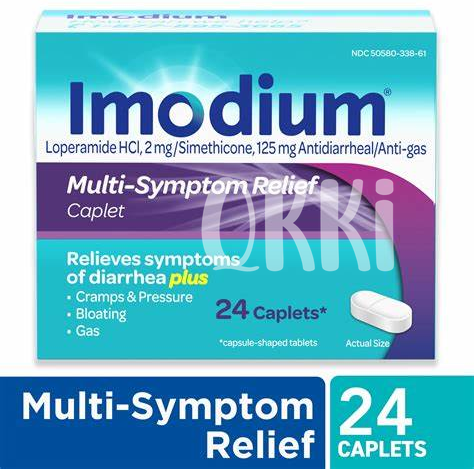
I used to fear that imodium could hijack the brain like street opioids, but its story is different: loperamide acts mostly in the gut and rarely crosses into the central nervous system at therapeutic doses. That explains why typical short-term use doesn't produce euphoria or classic addiction.
Overdose is possible only when people take far more than recommended; high doses can cause dangerous heart rhythm problems rather than the sedation seen with other opioids. Medical attention is urgent for any suspected overdose, and safe dosing guidelines should always be followed. Always read the leaflet and ask questions.
Long-term risks are limited when imodium is used correctly for short episodes, but chronic unexplained diarrhea should prompt evaluation to avoid masking conditions like inflammatory bowel disease or infections. Talk with your clinician about recurring symptoms, proper duration of use, and alternative treatments.
Imodium for Kids and Pregnant People: Truths
A parent remembers a midnight pharmacy run, clutching a child with frantic stomach pains; imodium can reduce stool frequency in older children, but it isn’t always appropriate. Pediatricians consider age, weight and cause before recommending it. For infants and those with bloody diarrhea or fever, slowing the gut may be harmful. First-line care emphasizes hydration, zinc in some regions, and prompt medical evaluation when symptoms are severe or persistent, urgently.
Pregnant people often worry about medication risks, and clinicians recommend discussing imodium use during prenatal visits. Limited data suggest loperamide has low systemic absorption, but the safest approach is treating dehydration and identifying infectious causes first. When used, clinicians adjust timing and dosing and monitor for maternal or fetal concerns. Never self-prescribe during pregnancy—healthcare providers balance symptom relief against any potential risks and tailor care to the individual accordingly too.
Using Imodium for Traveler’s Diarrhea: Right Practices

On a humid night in Marrakech, a sudden bout of stomach cramps and loose stools can derail plans; imodium offers quick symptom control so you can focus on recovery, not the restroom. For adults and older children it slows gut motility, reducing frequency, and is intended for short-term use—follow the package directions (initial 4 mg, then 2 mg after each loose stool) and prioritize oral rehydration to replace fluids and electrolytes.
Avoid imodium if you have fever, bloody stools, severe pain, or dehydration—these signs suggest an infection needing evaluation. If diarrhea lasts more than 48 hours or contains blood, see a clinician without delay; pregnant people and young children should also consult before use. Hydrate, rest, follow labeled dosing, and seek medical advice if warning signs develop; that way you treat symptoms without concealing a serious illness or delaying care.
Interactions and Contraindications: What Doctors Want You to Know
Doctors often tell stories of safe fixes turning risky when other drugs enter the mix. imodium is benign for many, but interactions can raise levels and cause heart or central nervous system problems when combined with strong CYP3A4 or P-glycoprotein inhibitors, or with other QT-prolonging medications.
Key contraindications include severe colitis, ileus, liver impairment and concurrent opioid therapy.
| Drug/Condition | Risk |
|---|---|
| CYP3A4 inhibitors | Increased loperamide levels |
| QT drugs | Arrhythmia risk |
Doctors want you to report palpitations, fainting or severe constipation; they will check cardiac history and current meds, adjust dose or suggest alternatives. Never exceed the recommended dose, and seek care for bloody stools, high fever or diarrhea that lasts more than two days; those are red flags suggesting an underlying infection and check electrolytes and hydration.
When Imodium Masks Serious Illnesses: Warning Signs
On a sudden flight delay you pop a pill to stop cramps and embarrassment; that quick relief feels like magic. Yet halting diarrhea can hide signals—blood, high fever, or severe abdominal pain—that need urgent attention.
Using antidiarrheals when infection or inflammatory disease is the cause may delay diagnosis. Doctors worry that suppressed symptoms can postpone stool testing, imaging, or antibiotics, allowing a treatable condition to worsen unnoticed in dangerous ways.
Watch for red flags: persistent high fever, bloody stools, dehydration, severe or worsening pain, or symptoms lasting beyond forty-eight hours. If any appear, stop self-treatment and seek immediate medical evaluation rather than relying on pills.
When in doubt, contact your clinician and describe recent travel, exposures, medications, and stool appearance. That context helps clinicians decide tests or when antidiarrheal use is safe versus when urgent care or hospitalization is required. Mayo Clinic: Loperamide NHS: Loperamide (Imodium)