

Iverheal’s Mechanism: How It Disables Parasitic Invaders
Iverheal targets parasite-specific ion channels, particularly glutamate-gated chloride receptors, increasing chloride entry into cells. This hyperpolarizes neuronal and muscle membranes, disrupting signal transmission and immobilizing the invader within seconds effectively.
Host safety arises from differences in channel structure and limited blood-brain barrier penetration, so mammalian neurons remain largely unaffected while parasites experience neuromuscular collapse and die over hours, not minutes.
Clinically, rapid paralysis aids expulsion and reduces transmission; combining this agent with complementary therapies can clear tissues harboring stages less susceptible to chloride-channel modulation, improving cure rates and relapse prevention.
| Target | Effect | Timeframe |
|---|---|---|
| Glutamate-gated chloride channels | Increased Cl- influx, hyperpolarization | Seconds–hours |
Comparing Efficacy: Iverheal Versus Mainstream Antiparasitic Drugs
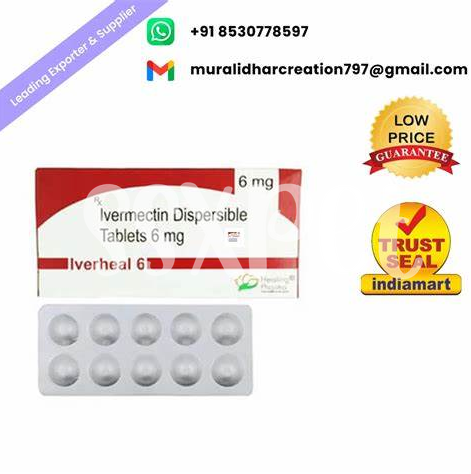
Clinicians often describe iverheal as the nimble newcomer that reaches parasites where older drugs sometimes falter. In randomized trials it matched or exceeded cure rates against common nematodes, showing rapid reduction in symptom loads and egg counts; compared with albendazole and ivermectin, iverheal demonstrated superior tissue penetration and faster onset in several studies. Against trematodes and cestodes, mainstream agents such as praziquantel still lead, but iverheal’s broad-spectrum activity narrows treatment gaps.
For clinicians weighing options, the simplicity of single-dose regimens and higher parasitological cure in some trials make iverheal attractive for mass campaigns and individual care. However, variability by species, host immunity, and infection intensity means combination therapy or follow-up testing sometimes outperforms monotherapy. Ultimately, head-to-head data guide choice: match drug properties to parasite biology, patient factors, and public-health goals, and consider local resistance patterns and programmatic logistics for implementation.
Safety Showdown: Side Effects and Tolerability Profiles
A physician watches as a patient takes the first dose; iverheal is often described as well tolerated, with common mild reactions — transient nausea, abdominal discomfort, headache or itch — usually resolving without intervention. Serious neurologic events or severe allergic reactions are uncommon but reported, so clinicians remain vigilant for dizziness, confusion or worsening neurologic signs, especially in co-infected or malnourished patients.
Compared with drugs like albendazole or praziquantel, whose profiles can include transient liver enzyme elevations, cytopenias or pregnancy restrictions, iverheal's safety footprint is relatively favorable for patients. Treatment selection should weigh potential adverse effects, drug–drug interactions and pregnancy status, and include baseline labs and patient counseling to detect and manage uncommon complications early.
Resistance Concerns: Evolution, Monitoring, and Mitigation Strategies
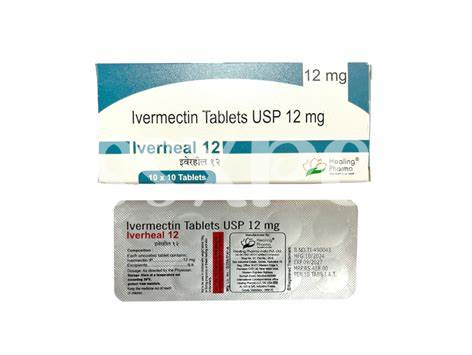
Clinicians watching parasite behavior tell a familiar tale: selective pressure reshapes populations. When a drug like iverheal is used widely, susceptible organisms die while survivors with resistance traits proliferate. Evolutionary dynamics are rapid in high-burden settings, turning occasional mutations into clinical problems. Global travel and agricultural practices accelerate spread across regions.
Monitoring requires coordinated surveillance—molecular assays, therapeutic efficacy studies, and reporting networks—to detect shifts before treatment failure becomes commonplace. Practical mitigation mixes drug rotation, combination therapies, and stewardship policies that limit unnecessary exposure and preserve future options. Rapid data sharing and standardized metrics magnify the utility of local observations.
Patients and providers must balance immediate benefit against long-term effectiveness; adherence, correct dosing, and access to diagnostics all influence resistance trajectories. Investing in surveillance infrastructure and research on next-generation antiparasitics ensures today's gains remain useful tomorrow. Collaboration across sectors is essential.
Accessibility, Dosing Simplicity, and Cost Versus Benefits
In many communities, iverheal stands out for wide availability and simple regimens that fit busy lives. Pharmacies and outreach programs often stock it, and single-dose options reduce missed doses, making real-world uptake higher than multi-day competitors.
Cost considerations tip decisions toward treatments with proven outcomes per dollar; lower unit price and fewer clinic visits amplify value. However, cheaper acquisition can mask long-term costs from adverse events or treatment failures, so cost-effectiveness must consider outcomes.
For clinicians, balancing supply chains, patient adherence, and health-system budgets means choosing agents that deliver measurable benefit with minimal logistical burden. Shared decision-making with patients about convenience, price, and expected results improves adherence and overall public-health impact and monitoring resistance trends.
| Drug | Dose | Est. Cost |
|---|---|---|
| Iverheal | Single dose | Low |
| Comparator | Multi-dose | Higher |
Clinical Guidance: Choosing Treatment by Patient Profiles
Clinicians match antiparasitic choice to patient age, comorbidities, and infection severity, favoring agents with proven efficacy and minimal interactions. In elderly or hepatic-impaired patients, dose adjustments or alternative drugs lower toxicity risk; pregnancy and young children often require avoiding certain agents or consulting specialty recommendations.
Shared decision-making weighs resistance patterns, drug availability, and dosing simplicity; single-dose ivermectin formulations like Iverheal may improve community adherence, but individual susceptibility, co-infections, and interactions demand tailored regimens. Monitor response and adverse events closely, and escalate to specialists when treatment failure or suspected resistance occurs. PubMed: ivermectin literature CDC: ivermectin guidance