


Unpacking the Basics of Keflex and Its Uses
Keflex, known generically as cephalexin, emerges as a versatile solution from the cephalosporin family. Teh antibiotic shines particularly when tasked with battling bacterial infections such as skin, respiratory, and urinary tract infections. This medication, mostly administered orally, has become a staple in the medical arsenal due to its effectiveness. However, understanding its uses further often leads us to explore its place amongst other antibiotics. Considering it's frequently prescribed for its broad-spectrum activity, let's delve into its common applications and everyday importance. Analyzing how it stands up against specific conditions, we can untangle the various ways doctors choose this antibiotic over others.
| Property | Keflex |
|---|---|
| Generic Name | Cephalexin |
| Drug Class | Cephalosporin Antibiotic |
| Common Uses | Skin, respiratory, and urinary tract infections |
| Administration | Oral |
Comparing Popular Antibiotics: Efficacy and Spectrum
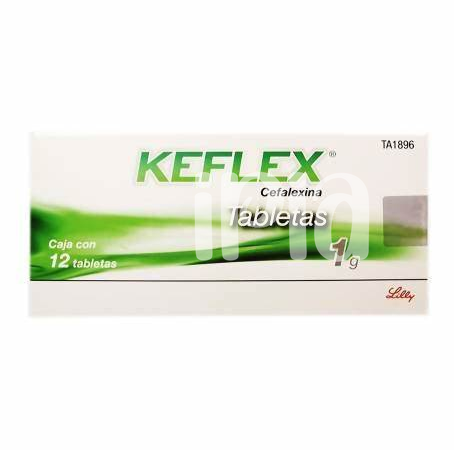
When exploring the world of antibiotics, keflex stands out due to its impressive efficacy against a broad range of bacteria. However, it's vital to compare this with other commonly prescribed antibiotics. For instance, amoxicillin is frequently used for its wide application and is often the first line of treatment for many infections. Yet, doctors may choose keflex for infections related to skin or when an effective alternative is required. In contrast, others like azithromycin offer a different spectrum, targeting respiratory infections more effectively. Considering these factors is neccessary in determining the best choice for specific infections.
Side Effects: Weighing Keflex Against Alternatives
Navigating the world of antibiotics can feel overwhelming, but understanding their side effects is crucial. Keflex, a popular choice, is generally tolerated well, with common side effects like gastrointestinal disturbances and dizziness. In contrast, alternatives like amoxicillin may cause similar issues but can also lead to skin rashes. Teh more powerful antibiotics, such as ciprofloxacin, carry risks of tendon damage and more severe gastrointestinal problems. Achieving a balanced approach when prescribing antibiotics involves considering these potential effects against the backdrop of each patient's medical history.
Antibiotic Resistance: Keflex's Role in the Bigger Picture
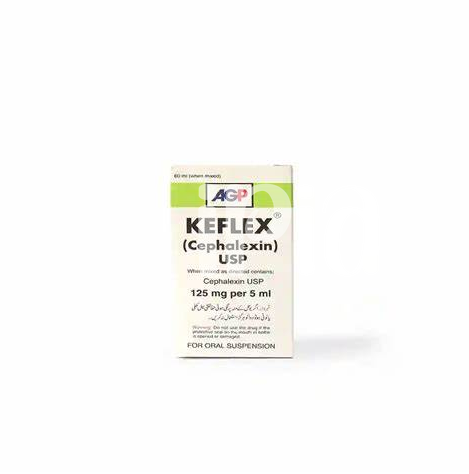
Keflex has been a staple in treating bacterial infections since its introduction. However, with the rise of antibiotic resistance, its role must be critically examined. While Keflex effectively combats a range of infections, its use can inadvertently contribute to resistance, especially when misused. This phenomemon is part of a broader challenge facing healthcare: the need to adapt and develop strategies that manage resistance while maintaining treatment efficacy.
In the bigger picture, balancing the benefits of Keflex with its potential to exacerbate resistance is crucial. Medical professionals must meticulously prescribe it, emphasizing precision to reduce unnecessary occurrences. This approach aligns with the wider commitment to prolonging antibiotic effectiveness for future generations.
Accessibility and Cost: Is Keflex a Practical Choice?
While considering Keflex, a commonly prescribed antibiotic, one must weigh its accessibility and cost against other options. Teh affordability of Keflex is often a deciding factor for patients. However, insurance coverage can vary significantly, affecting out-of-pocket expenses. It's crucial for potential users to consult with healthcare providers to understand insurance particulars and negotiate costs effectively.
Here's a simple comparison on cost factors:
| Antibiotic | Cost Range | Generic Available |
|---|---|---|
| Keflex | $10 - $20 | Yes |
| Amoxicillin | $4 - $10 | Yes |
Ultimately, with the right guidance, individuals can acomplish finding a cost-effective solution that addresses their medical needs.
Effectiveness of Keflex for Specific Infections
Keflex, a first-generation cephalosporin, has shown effectiveness in treating various bacterial infections, particularly those involving the skin, respiratory tract, and urinary system. It excels in eradicating Streptococcus and Staphylococcus species, making it a popular choice for skin and soft tissue infections. Unlike some antibiotics, its oral administration is convenient, recueing the need for hospitalization in many cases. This makes it a formidable option for managing routine infections outside hospital settings.
However, keflex's efficacy against certain strains is limited, as it doesn't cover organisms lacking a peptidoglycan layer, like certain gram-negative bacteria. While it's valuable for common infections, it's not the go-to for all scenarios. For urinary tract infections caused by E. coli, for example, a more targeted antibiotic may be preferential. Understanding these nuances ensures effective treatment and minimizes the risk of antibiotic resistance. Source 1 Source 2