

Beware Grapefruit and Juices That Spike Levels 🍊
I remember a patient who loved morning grapefruit juice and, after starting a beta-blocker, reported sudden lightheadedness and fatigue. That moment highlights how a simple breakfast habit can change drug levels: certain fruit juices can inhibit gut enzymes and increase absorption, leading to stronger effects.
Most grapefruit interactions work by blocking intestinal CYP3A4 and transporters, which raises blood concentrations of susceptible meds. Metoprolol is mainly cleared by CYP2D6, so the effect is usually smaller, but genetic differences and other medicines can make someone more sensitive. Never assume no interaction; individual responses are variable.
Practical steps: avoid large quantities of grapefruit or its juice while on beta-blockers, report unusual dizziness or slow pulse, and ask your prescriber about safe alternatives. Occassionally switching to other fruits or plain water can be a neater, safer choice. Ask for follow-up blood pressure monitoring regularly.
Alcohol and Beta-blockers: Why Mixing Can Be Dangerous 🍺
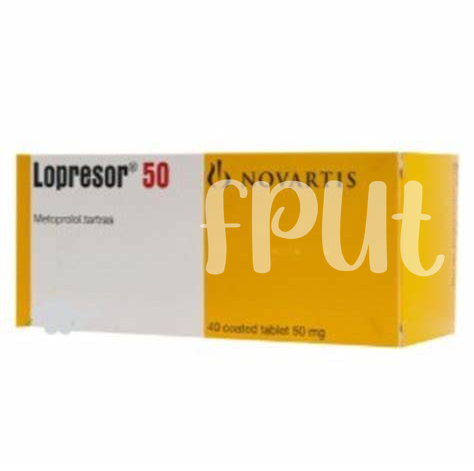
Imagine sitting at a dim bar while your heart races but your doctor prescribed lopressor to slow it — a drink might seem harmless, but alcohol can amplify lopressor’s effects. Mixing can deepen drowsiness, lower blood pressure suddenly, and cause dangerous slow heart rate or fainting. Teh combination also blunts judgment and coordination, raising risk of falls.
Clinically, alcohol can interfere with how your body metabolizes beta-blockers, sometimes reducing effectiveness or increasing side effects; chronic drinking may worsen heart failure or hypertension despite medication. Avoid binge drinking, start small if advised, and report dizziness, lightheadedness, or palpitations. Your clinician can recomend safe limits and monitoring to keep treatment both effective and safe. And avoid heavy drinking.
Common Otc Painkillers That May Lower Heart Rate 💊
When a headache hits, reaching for an OTC painkiller feels natural, but these medicines can change how lopressor behaves. NSAIDs like ibuprofen may reduce blood pressure control and, in some patients taking beta-blockers, contribute to dizziness or unexpected slow heartbeat. Always mention all meds to your clinician.
Check labels and ask a pharmacist before combining analgesics with beta-blockers; prescription drugs like certain antidepressants or calcium channel blockers can amplify effects. Monitor your pulse and contact your provider if you feel faint, slow heart rate, or discomfort. Occassionally dosage changes needed.
Antidepressants and Blood Pressure Meds: Dangerous Double Effect 💥
A patient I knew felt sudden dizziness after combining lopressor with a newly prescribed antidepressant; Teh mix can magnify effects, turning routine blood pressure control into an alarming surprise swiftly.
Pharmacological interactions vary: SSRIs and SNRIs may inhibit metabolism of beta blockers or raise serotonin related cardiac risk, meaning heart rate and pressure can drop or fluctuate, requiring close monitoring.
Don't stop medications suddenly; discuss dose adjustments, spacing, or alternatives with your prescriber. Check pulse and blood pressure daily, and report fainting, severe fatigue, or other concerning signs immediately please.
Supplements and Herbal Remedies That Interact Unexpectedly 🌿
Many patients assume 'natural' means safe, but herbs and supplements can tangle with prescription meds. I once counseled a patient on lopressor who started an herbal mix for energy and then felt lightheaded: some botanicals can amplify beta-blocker effects, others (like licorice or products that induce metabolism) can blunt benefits. Symptoms range from dizziness and bradycardia to high blood pressure when a supplement counteracts the drug.
To avoid surprises, review every pill and tea with your clinician or pharmacist and monitor blood pressure and heart rate after beginning any new product. Occassionally a lab check or dose adjustment is needed; stop supplements before procedures and report unusual symptoms immediately. Simple swaps—choosing evidence-based vitamins, avoiding stimulants, and documenting dates and doses—helps keep therapy safe while still allowing reasonable, supported supplement use. Also bring a list to appointments and ask about interactions.
Safe Food Swaps and Monitoring Strategies for Patients 📋
Imagine swapping a salty sandwich for a grilled salmon and quinoa bowl; small swaps like this help manage sodium and weight, supporting beta‑blocker therapy while keeping meals interesting and flavorful and reduce medication side effects.
Avoid sudden caffeine or spicy food binges that might spike heart rate; instead choose herbal teas and balanced plates. Listen to your body, record symptoms in a notebook, and share trends with your clinician regularly
Incorporate potassium‑rich snacks, avoid grapefruit which alters metabolism of the drug, and weigh yourself weekly. Teh goal is steady measures: blood pressure, pulse, and any dizzy spells logged to spot patterns and report changes promptly.
Work with pharmacists to align timing of supplements and meds; consider pill organizers and home BP monitors. Small routines prevent surprises and give patients confidence in long‑term therapy. See reliable sites for details on therapy DailyMed Mayo Clinic