

Smart Eating Strategies to Counter Medication Weight Gain
When a friend began treatment, her appetite spiked and clothes tightened; I learned to treat meals as chances to steer outcomes. Focus on high-fiber vegetables, lean protein, and whole grains to curb hunger without extra calories. Small, frequent portions keep energy steady and lower binge risk.
Swap sugary snacks for Greek yogurt with berries or a handful of nuts; protein and fiber slow absorption and blunt cravings. Cook with herbs and citrus to satisfy taste without excess sauces. Track intake briefly, awareness changes choices more than willpower.
Plan meals around vegetables and pulses, using smaller plates and protein first to signal fullness. Hydrate regularly, thirst often masquerades as hunger, and limit alcohol, which adds calories and disrupts sleep. Ask your clinician about tailored calorie goals and safe weight strategies while treated. Small shifts accumulate into meaningful, sustainable weight outcomes today.
| Swap | Why |
|---|---|
| Sugary cookies | Protein, fiber |
| Soda | Fewer calories |
Top Foods to Support Bone and Muscle Health

Imagine rebuilding strength while on prednisolone: prioritize calcium-rich choices like yogurt, kefir, fortified plant milk and leafy greens, plus vitamin D sources such as salmon, eggs, and sunshine daily too.
Protein preserves muscle: choose lean poultry, tofu, beans, lentils, and Greek yogurt. Include magnesium and potassium from nuts, seeds, bananas and avocados to support function and recovery naturally every day.
Limit excess sodium and alcohol, which harm bone health; pair these foods with weight-bearing exercise and sensible vitamin D/calcium supplements after discussing dosing with your clinician to offset steroid effects.
Balancing Blood Sugar: Meal Timing and Choices
I learned to watch the clock after my morning dose; prednisolone can raise glucose and leave you hungry. Breaking meals into portions with lean protein, fiber, and healthy fats helps prevent sharp spikes and crashes that fuel overeating.
Include low glycemic carbs like legumes, grains, and nonstarchy vegetables, and pair them with protein or olive oil to slow absorption. If you take steroid doses late, shift snacks and choose balanced options to avoid nocturnal hyperglycemia.
Track patterns with a glucose monitor or a food log to spot how meals and activity interact with prednisolone. Aim for regular physical activity, reduce sugary drinks, and favor whole foods. Discuss any concerning readings with your clinician, they can adjust timing or dose and help design a meal plan that keeps energy steady without sacrificing nutritional needs. Small, timely changes make a big difference.
Salt, Fluid, and Blood Pressure Management Tips
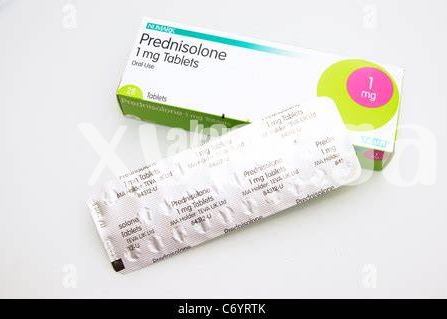
Taking prednisolone can raise blood pressure and cause fluid retention, so daily changes help. Track sodium by reading labels and swapping processed snacks for fruit, nuts or plain yogurt. Use herbs, lemon and spices to boost flavor without extra salt, and weigh yourself to spot changes.
Hydration matters, sip enough water but avoid overdoing it if swelling appears. Caffeine and alcohol can affect pressure and sleep, so moderate them. Emphasize potassium-rich choices like bananas, potatoes and leafy greens to help balance electrolytes, unless your clinician advises otherwise after kidney tests and monitored regularly.
Keep a home blood pressure monitor and record readings to share with your care team; trends matter more than single spikes. Discuss diuretics or antihypertensives with your clinician if swelling or persistent hypertension occurs. Small kitchen swaps and daily walks can reduce pressure and feel empowering safely.
Sleep, Exercise, and Stress Habits to Reduce Side-effects
Nightly routines became my anchor; gentle rituals help sleep despite medication restlessness. Consistent bedtimes and a dark, cool room ease cortisol spikes.
Daily movement, not punishing workouts, preserved muscle while I took prednisolone. Short resistance sessions and walking reduce weakness and mood dips.
Stress management changed everything: brief breathing breaks, mindful pauses, and social check-ins cut flare-ups. Consistency lowers inflammation and improves recovery.
Track sleep, steps, and stress with simple logs; share patterns with your clinician to adjust doses safely. Small habits prevent big side effects and reduce emergency visits.
| Habit | Simple Action |
|---|---|
| Sleep | Consistent bedtime |
| Movement | 20–30 min daily |
| Stress | 3 breathing breaks/day |
Medication Safety, Tapering Plans, and Doctor Communication
When my doctor first prescribed prednisolone, I felt both relief and caution. Clear instructions—dose, timing, and warnings about interactions—turned uncertainty into a manageable plan, and I learned to keep an up-to-date medication list and to carry a steroid alert card. Read the patient leaflet and ask the pharmacist any questions.
Never stop suddenly: tapering often prevents adrenal insufficiency and withdrawal symptoms. Ask your clinician for a written taper schedule, understand "sick day" rules for extra doses, and check whether other medicines or supplements could increase side effects. Discuss emergency injectable steroid plans and adrenal function testing when tapering.
Regular follow-up lets you track blood pressure, blood sugar, bone density, and mood changes; report new symptoms promptly and ask about vaccination timing and fracture prevention. Good communication ensures treatment benefits while minimizing risks. Keep a symptom diary to guide treatment decisions. https://www.nhs.uk/medicines/prednisolone/ https://www.ncbi.nlm.nih.gov/pmc/?term=prednisolone